
The 2026 Pokemon World Championships land in San Francisco on August 28-30, capping a season that's been unusually eventful even by Worlds standards: a new competitive VGC client, a format overhaul mid-season, and a run of Regional and International results that have reshuffled who's considered a favorite. Here's a full chronological recap of the season's results, plus what's left before San Francisco.
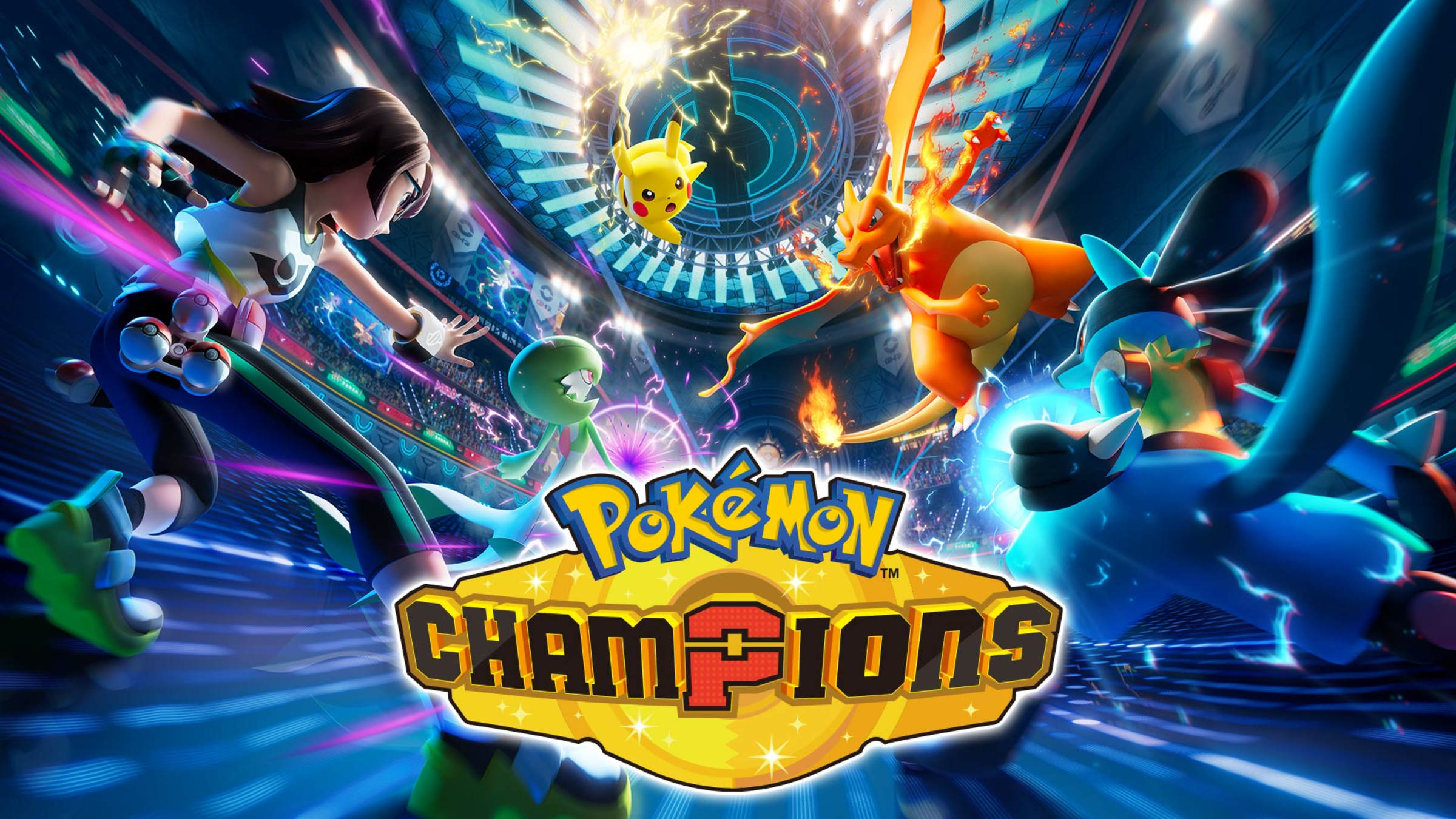
The biggest structural change this year is that VGC at Worlds runs on Pokemon Champions, the standalone competitive app, rather than the mainline Scarlet & Violet games. That shift happened gradually over the season. Early Regionals ran under older Scarlet & Violet regulations - Regulation Set H (no Legendary, Restricted, or Paradox Pokemon at all) and later Regulation Set I (up to two Restricted Legendaries per team) - before officially sanctioned play moved onto Pokemon Champions under Regulation Set M-A around May, which bans all Legendary and Restricted Pokemon outright while still allowing Mega Evolution. That's a notably different ruleset from Regulation I, and it shows in the results below: the same season saw Restricted Legendaries winning Regionals in May and then completely banned from the tournament that ran two weeks later.
The season's first big result covered here came at the Milwaukee Regional (October 11-12, 2025), where Michael Arand won the VGC Masters division and Jackson Ford took the TCG Masters title, both representing the US.
A month later, the Las Vegas Regional (November 15-16, 2025) drew 705 Masters competitors under Regulation H. Dylan Salvanera won, beating Zachary Weed 2-1 in the final on a team built around Gholdengo, Kilowattrel, Ursaluna (Bloodmoon), Incineroar, Amoonguss, and Porygon2 - a build that leaned on Amoonguss for redirection and Porygon2 as a defensive pivot behind Incineroar's support. Incineroar was the meta's clear backbone across the event, climbing from roughly 53% usage in Phase 1 to 60% by Phase 2, with Rillaboom, Gholdengo, and Ursaluna-Bloodmoon rounding out the most-used Pokemon. Carson St Denis finished in the Vegas top three - a result he'd build on a few months later. On the TCG side at Vegas, Tord Reklev of Norway took the Masters title.
Heading into 2026, the Europe International Championships (EUIC), held February 13-15 in London, was described by organizers as the biggest EUIC ever by attendance. Paul Chua beat Zachary Weed 2-0 in the Masters VGC final - both players had entered Championship Sunday with matching 11-2-0 records - with Chua's Ogerpon-and-Urshifu-led team outlasting Weed's Iron Crown/Indeedee build in a rematch of Chua's own EUIC 2023 win. It was Weed's second high-profile final in a row after Vegas. On the TCG side, Edwyn Mesman beat Drew Stephenson, and Pokemon GO saw Marin "P4T0M4N" Torres go back-to-back as EUIC champion.
Two weeks after that, the Seattle Regional (February 28-March 1) went to Carson St Denis, who beat Sebastian Gonzalez in the final - turning his Vegas top-three finish into his first Regional win of the season.
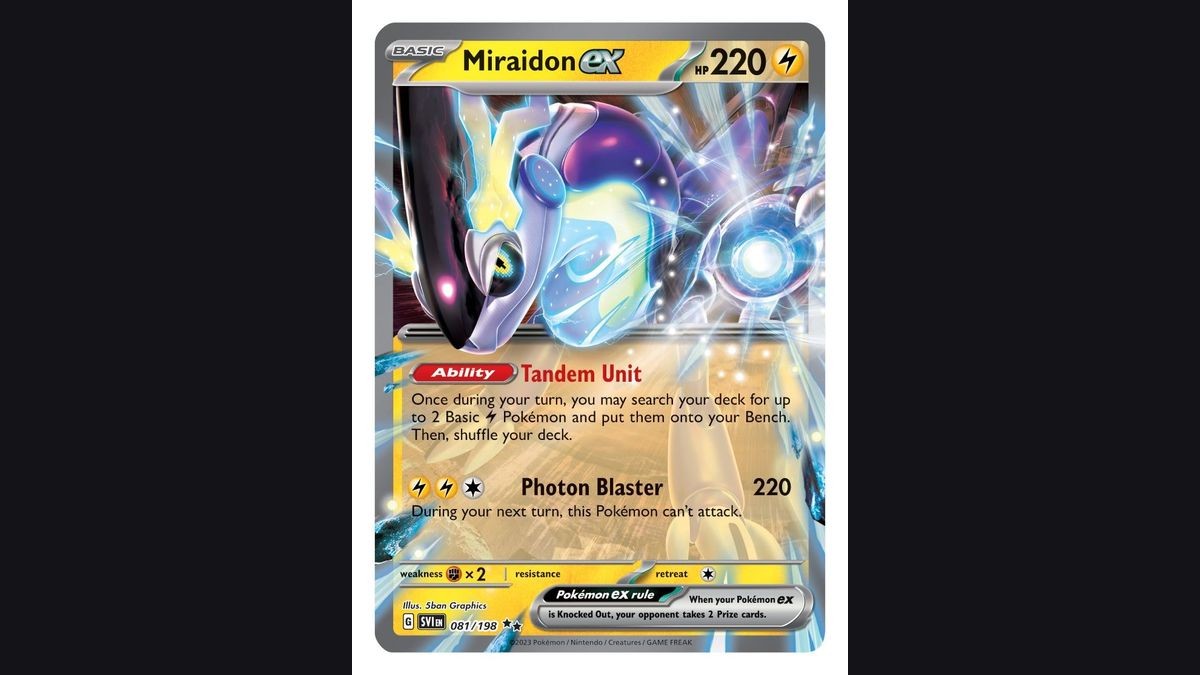
By the time of the Los Angeles Regional (May 9-10) under Regulation I, Restricted Legendaries were back in the picture: Emilio Forbes won the 542-player Masters bracket over Aaron Traylor, running Miraidon, Calyrex (Ice Rider), Iron Hands, Urshifu (Rapid Strike), Iron Bundle, and Farigiraf. Traylor's runner-up team - Terapagos, Miraidon, Incineroar, Ogerpon (Hearthflame Mask), Sinistcha, and Toxapex - shows just how central Miraidon and Terapagos-tier Restricted Pokemon had become to the format at that point.
Three weeks later, the Indianapolis Regional (May 30-31) flipped the format entirely: it was the first official tournament outside Asia to run on Pokemon Champions, using Regulation M-A and its Legendary/Restricted ban. Of the 1,013 Masters competitors, Arsal Puri won the title over a recognizable runner-up - VGC veteran and content creator Wolfe Glick - running Mega Floette, Mega Charizard Y, Venusaur, Sinistcha, Incineroar, and Garchomp against Glick's Mega Tyranitar, Mega Steelix, Sinistcha, Sneasler, Talonflame, and Wash Rotom. Kingambit (60.7% Phase 2 usage), Basculegion (59.3%), and Garchomp (58.6%) topped the new format's early metagame, with Mega Floette appearing in over a third of Phase 2 teams.
The North America International Championships (NAIC), held June 12-14 in New Orleans, closed out the Regional/International calendar. Francesco Pio Pero of Italy won his first major VGC title, with Spain's Eric Rios finishing runner-up. On the TCG side, James Kowalski beat Neddy Kosek of the Czech Republic in the Masters final; in the younger divisions, Conner Pietrusinski and Damon Zhu won the VGC Senior and Junior brackets, while David Boehmler and Luke Giffen took the TCG Senior and Junior titles.
With the Regional and International calendar wrapped, the last real gate before San Francisco is Victory Road to San Francisco, a last-chance qualifying event running August 15-16. Worlds itself begins August 28, preceded by the first-ever PokemonXP convention starting August 25 - a new addition running alongside Worlds rather than replacing anything, effectively extending the event into a week-long celebration. Qualification for Worlds this year again uses the "Top X" Championship Points leaderboard format introduced last season, meaning only a capped number of top point-earners per region, age division, and game make the cut.
A few threads worth watching once Worlds actually starts: whether Regulation M-A's Legendary-free, Mega-legal format on Pokemon Champions produces a genuinely different metagame on the sport's biggest stage than what dominated Regionals under Regulation H and I; whether Zachary Weed's pattern of high-profile runner-up finishes (Las Vegas, EUIC) turns into a win when it matters most; and how Pokemon GO and TCG Worlds play out now that they're sharing a week with the new PokemonXP convention. We'll have full Worlds coverage once play begins August 28.
Comments (0)
Comments are held for review before they appear publicly. Registered members only.
Sign in to join the discussion.
No comments yet — be the first.