
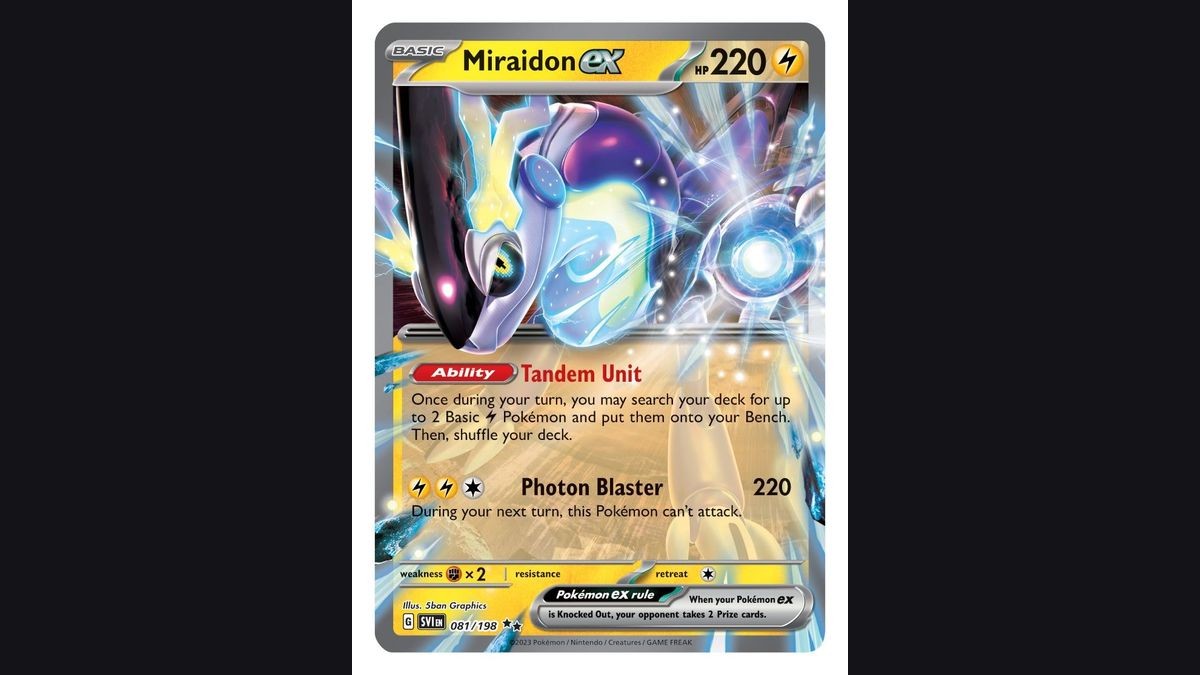
I stopped by my local Target last night hoping to grab a couple packs of Pokémon cards, and the pegs were completely empty. Not "picked over," empty - the little plastic hooks with nothing hanging off them, the way it looks right after a restock gets cleared out. I asked an employee, and she said the truck came in that morning and it was gone within the hour. Not exactly a shock at this point, but still annoying.
On the way home I swung by GameStop on a whim, mostly expecting the same story. Instead there was actual product on the shelf. Booster packs, a few Elite Trainer Boxes, sitting there like it was nothing. Which stopped me for a second, because GameStop is not exactly the retailer with a reputation for having things in stock, or for pricing them reasonably when it does. So naturally I started wondering what was actually going on - was GameStop doing something right that Target wasn't, or was something else entirely happening here? That question turned into a couple hours of reading, and what I found was a lot messier than "GameStop finally figured out scalpers."
The anti-scalper stuff is real, to be fair to them. GameStop has rolled out purchase limits across a bunch of Pokémon SKUs and moved to first-come, first-served sales instead of preorders for products like the Surging Sparks Booster Bundle - which closes off the trick where one person preorders an entire store's allocation the moment it goes live and walks out with all of it. And back in November, GameStop's official account posted one of the more memorable lines I've seen from a corporate Twitter account: "If you bring a scale to GameStop to weigh Pokémon packs we will ban you for life for your own good." Scalpers weigh packs because the foil and ink on rare full-art cards adds a tiny bit of measurable weight, and enough resellers have been doing it at self-checkout that GameStop apparently decided a public lifetime-ban threat was the move. Whether they'd actually enforce that on some kid with a kitchen scale is a fair question - I've seen more than one writer point out it reads more like a viral tweet than an actual store policy - but the underlying problem it's responding to is real enough.
Here's where it gets messier, though, and where the "we're protecting fans" framing gets harder to take at face value. Around the Pokémon TCG 30th Celebration launch, GameStop and its subsidiary EB Games got caught listing products at prices that made scalpers look reasonable by comparison. The Ultra-Premium Collection, which has an MSRP in the $180-ish range, was listed at $600. The Elite Trainer Box - normally around $50 - was going for $169.99, which multiple outlets pointed out works out to roughly 340% of MSRP. EB Games' actual explanation, when pressed, was that the markup was meant to discourage scalpers from buying the product. Which is a genuinely strange thing to say out loud, because charging $600 for a box doesn't stop a scalper who's planning to flip it for $700 - it just prices out the fan who wanted to open it. Collectors online noticed that logic immediately and were not having it.
The backlash was loud enough that it reached Nintendo's own shareholder meeting, where president Shuntaro Furukawa was asked directly how the company planned to let fans buy cards "with peace of mind." His answer was carefully worded and didn't name GameStop specifically: "Nintendo also communicates with The Pokémon Company as needed to discuss appropriate ways to deliver products to consumers. We believe that The Pokémon Company will continue to take measures to respond to this issue." That's about as close as it got to an official rebuke - nobody at Nintendo or The Pokémon Company stood up and called GameStop out by name in public, as far as I can find. It was more indirect pressure plus a very public pile-on from fans and the trading card press. Whatever the actual mix of causes was, it worked: about a week after the pricing went up, GameStop rolled it back. The Elite Trainer Box dropped from $169.99 to $99.99, the Ultra-Premium Collection came down by $200, and the company offered refunds or credit to anyone who'd already bought in at the higher price.
So are they the wardens standing between fans and scalpers, or just another part of the problem wearing a different hat? Based on what actually happened, it's honestly both, which is a more annoying answer than either extreme. The purchase limits and the no-preorder policy are legitimate friction against bulk resellers. The $600 box was GameStop functioning as its own scalper, using the exact same "high price keeps it out of resellers' hands" logic that resellers use to justify their own markups, until public backlash made that math stop working in their favor.
Then there are the Power Packs, which is where this whole thing stops looking like a scalper fight and starts looking like something else entirely. These are GameStop's mystery boxes - pay a set price, get a random selection of booster packs plus a professionally graded card, and you don't know which card until you open it. The standard in-store version runs $59.99 for two booster packs and one graded card. GameStop also sells digital versions of these packs ranging from $25 all the way up to $5,000, where the appeal is explicitly the chance at pulling a single card worth far more than you paid. The box art for these leans on images of extremely valuable graded cards - the kind of pull that would be worth well over a thousand dollars - without disclosing anywhere what the actual odds of getting anything like that are.
People who've actually cracked these open and done the math have not been kind. One breakdown found that a typical $60 box nets somewhere between $30 and $40 worth of actual product - booster packs worth $10 to $15 each, graded cards in the $15 to $30 range - meaning the expected outcome, on average, is losing money on the box itself and hoping the rare pull makes up the difference. That's the exact shape of a gambling mechanic: a fixed cost, a hidden probability distribution, marketing built around the best-case outcome instead of the typical one, and a product that's engineered to feel like a bet rather than a purchase. I'm not going to bother screenshotting a specific thread here, but scroll through any Power Pack unboxing video's comment section or the trading card side of Reddit and you'll see the same complaint over and over: people flat-out calling it a slot machine that happens to pay out in cardboard instead of coins.
Standing in that GameStop aisle last night, what I was actually looking at wasn't a retailer that solved the scalper problem. It was a retailer that's tried on three different roles in the same year - strict bouncer with the purchase limits and the scale threats, price gouger for about a week with the 30th Celebration boxes, and now something closer to a casino with the Power Packs - and somehow still ended up with product on the shelf when my Target didn't. That last part I still can't fully explain, and I'm not sure GameStop could either. I ended up grabbing a normal booster box and leaving the mystery boxes on the shelf. Increasingly, it feels like the actual answer to "where do I get Pokémon cards without getting scalped or gambled on" is just your local card shop, even if it takes a little more driving around to find one that's stocked.

Comments (0)
Comments are held for review before they appear publicly. Registered members only.
Sign in to join the discussion.
No comments yet — be the first.