
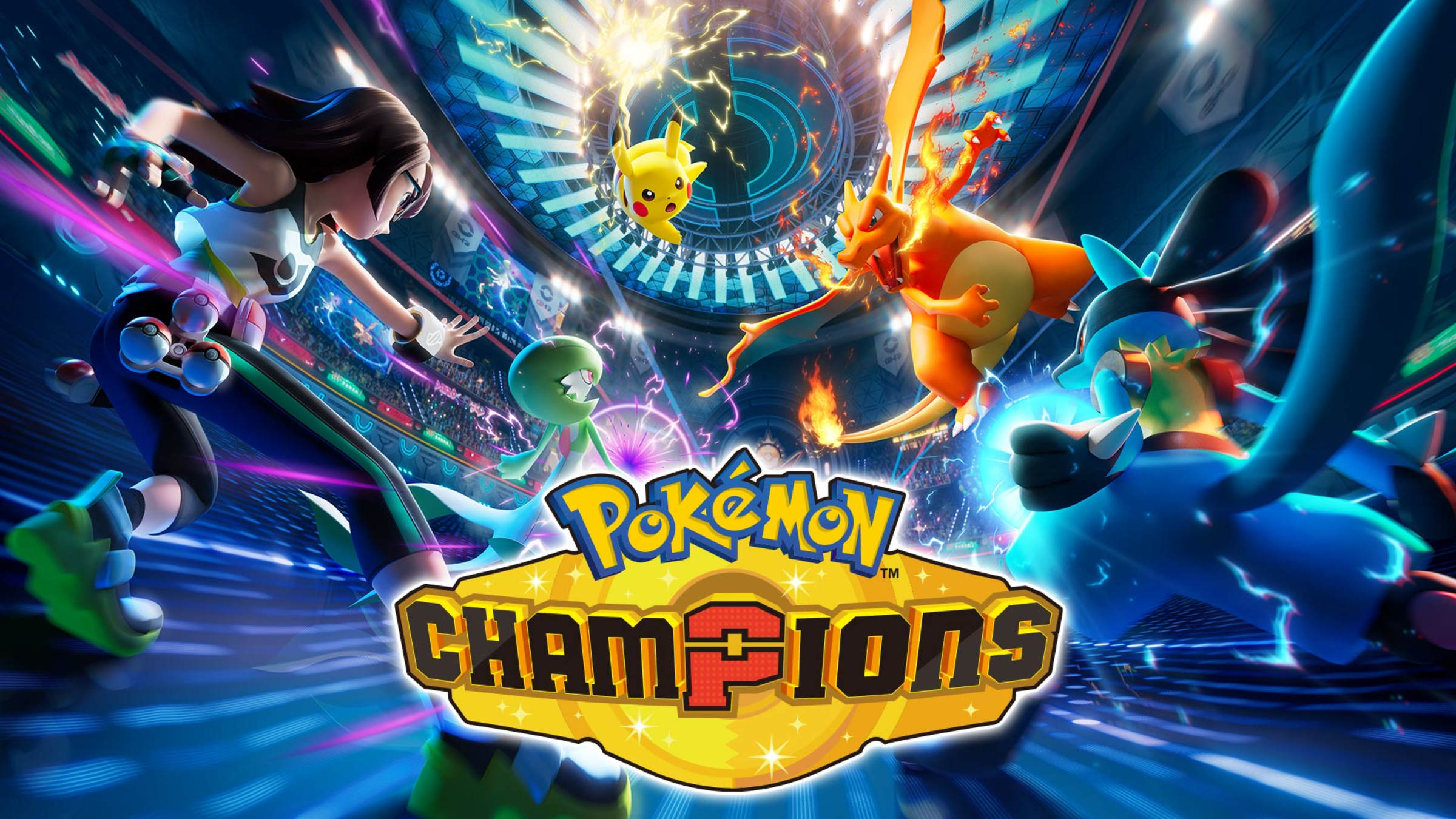
If you've only ever played Pokémon casually, competitive VGC can look like a different game entirely. The format, the rules about which Pokémon are even allowed, the way matches are structured, all of it is unfamiliar at first. Here's what you actually need to know to start playing.
VGC stands for Video Game Championships, and it's the official competitive format built around doubles battles rather than the single Pokémon-at-a-time battles most players grow up with. Each player brings a full team of six Pokémon to a match, and only those four actually get used. That means half the skill of VGC happens before a single move is thrown: reading what your opponent's six imply about which four they'll actually bring, and building a team of your own that holds up no matter which four you end up using.
Regulation Sets are the other big adjustment, and they're worth understanding since they define what's even legal to use.
Rather than allowing every Pokémon ever released, each competitive season runs through a series of Regulation Sets, labeled with letters, that restrict which Pokémon are tournament-legal at any given point. Early regulations in a season typically lock out "Restricted Legendaries" entirely, giving newer and returning players a format built around more standard Pokémon before the biggest, most format-warping legendaries get phased in later. We've covered this directly with Pokémon Champions Ranked's Regulation M-B, which was extended by a week and paired with a new monthly challenge, exactly the kind of format update VGC players have to track every season. If a team you copied from a video isn't working, the single most common reason is that it was built for a different Regulation Set than the one currently active.
Important to note, however, there is a difference between a regulation set and a season.
Pokémon Champions currently operates on monthly, with some exceptions, seasons. A season does not always mean a regulation set change. Seasons reset Pokémon Champions rank but award ranks based on the previous season.
While Champions is the platform VGC uses we will not be referring to Champions from here on out but VGC itself and how it plays out.
Once you know what's legal, team building comes down to filling roles rather than just picking six favorites. Doubles battles reward support and synergy far more than singles does, since your two Pokémon on the field at once can set things up for each other. Some of the roles you'll run into constantly: Intimidate users that weaken both opposing Pokémon's Attack the moment they switch in, redirection Pokémon that use moves like Follow Me to pull incoming attacks onto themselves and protect a fragile teammate, Trick Room setters that flip the turn order so your slowest, hardest-hitting Pokémon move first, and weather or terrain setters that boost an entire team's damage output at once. A team that's just six strong Pokémon with no plan for how they work together will lose constantly to a weaker-looking team that actually has a game plan.
Official VGC Matches are best-of-three. You reveal your team of six before game one, your opponent picks which four they're bringing, and you do the same. After game one, both players know exactly what the other used, so games two and three become a sideboarding exercise: you can swap in any of your other six Pokémon to counter what you just saw, which is a skill in itself. Losing game one isn't necessarily bad news; sometimes it's the information you needed to win the next two.
Getting started is more accessible now than it's ever been. Pokémon Champions is built specifically around ranked, ladder-style battling, and it's the most direct way to jump into VGC's actual ruleset without needing to track down the right cartridge or format settings yourself. If you'd rather build a team first and battle later, our damage calculator and team weakness coverage tool are both built for exactly this: the damage calculator lets you check whether a given move actually threatens a Pokémon you're worried about before you commit a team slot to answering it, and the coverage tool flags which types your whole team is weak to with nobody around to resist or block them, which is usually the fastest way to find the hole in a team you've already built. The same toolkit also includes a type effectiveness chart, a full IV/EV stat calculator, and a live Pokédex lookup if you want to go deeper on team building.
Beyond that, the best way to actually get good is to watch more than you think you need to. Official VGC broadcasts and top players' streams show real teams making real decisions under the same Regulation Set you're playing under, which teaches team-building patterns far faster than reading about them does. Start with one straightforward archetype, something built around a single weather or Trick Room rather than trying to combine three strategies at once, and you'll have a much easier time understanding why your team wins or loses each game. Everything else, the deeper matchup knowledge and prediction skills, comes from just playing more games.


Comments (0)
Comments are held for review before they appear publicly. Registered members only.
Sign in to join the discussion.
No comments yet — be the first.